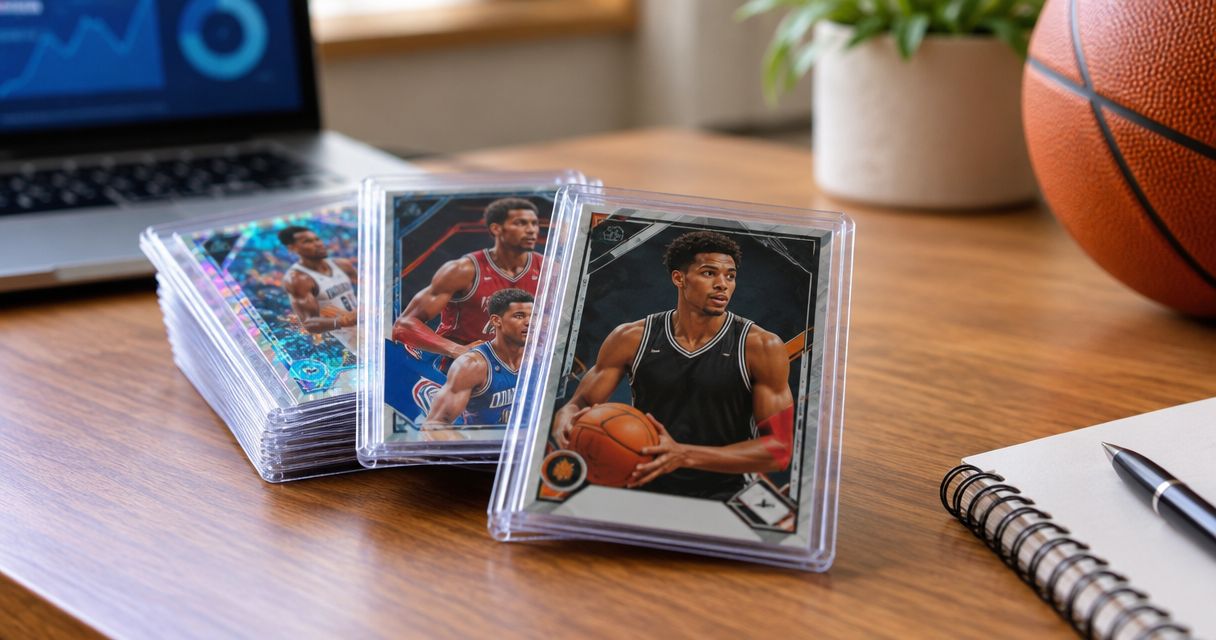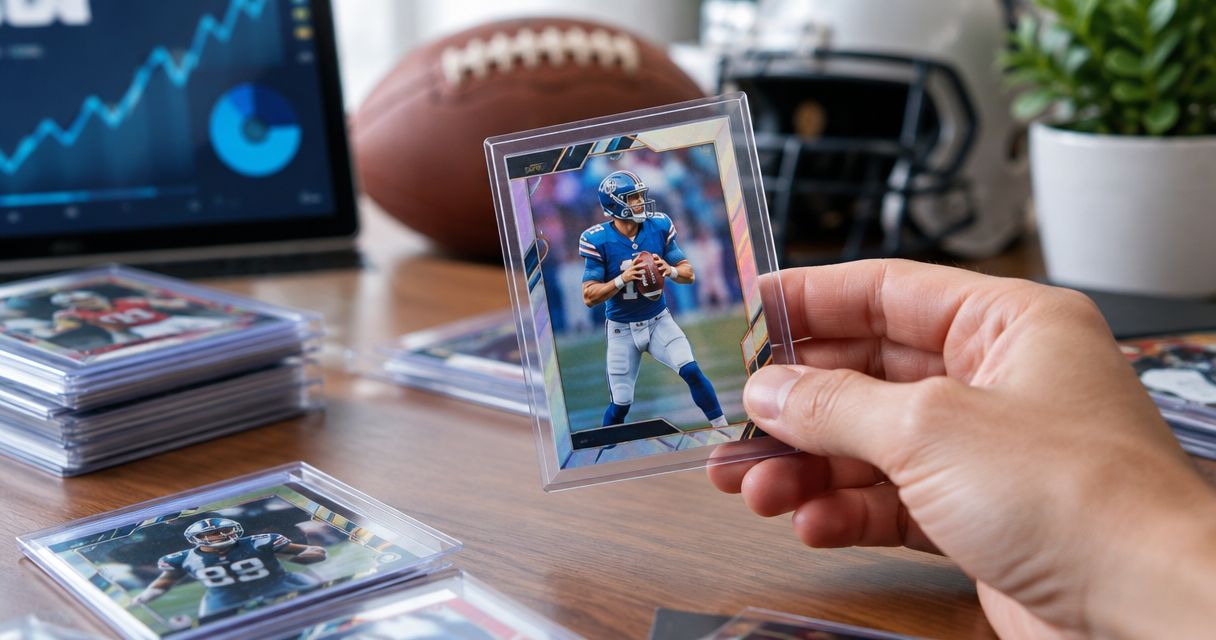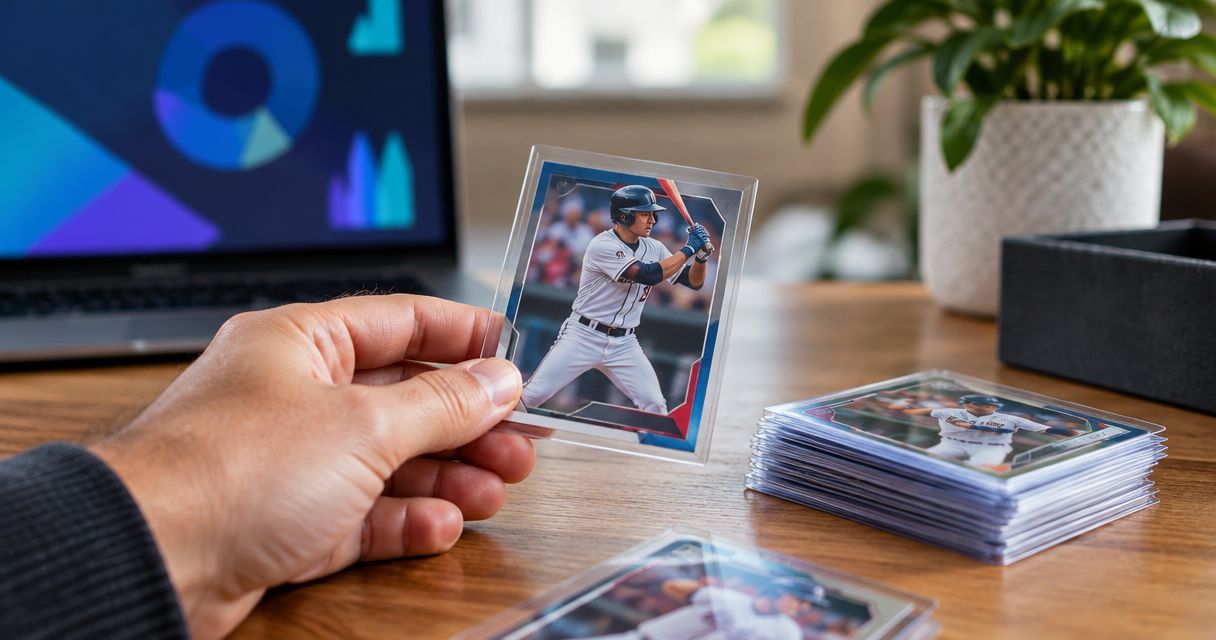
Best overall research starting point: Shohei Ohtani’s 2018 Topps #700. Best for basketball history: Michael Jordan’s 1986 Fleer #57. Best for football collectors: Patrick Mahomes’ 2017 Donruss Optic #177. The best rookie cards to buy in 2026 are specific cards you can authenticate, compare with matching sold listings, and collect without depending on a guaranteed return.
- The best rookie cards to buy start with exact identification, matching sold comps, and a clear collecting purpose.
- Shohei Ohtani’s 2018 Topps #700 is the default research pick for a modern baseball collection.
- Michael Jordan’s 1986 Fleer #57 suits basketball-history collectors who prioritize authentication.
- HobbyAlpha supports rookie-card research with eBay sold comps, buy/hold/sell verdicts, and portfolio tracking.
Why this matters
Buying a player is not the same as buying the right card. A base rookie, numbered parallel, autograph, and later reprint can carry the same player’s name while requiring entirely different comparisons.
HobbyAlpha is best for sports card collectors who want eBay sold comps and buy/hold/sell verdicts alongside portfolio tracking. Use HobbyAlpha to support your research, not to replace checking the exact card. Modeled values and verdicts are estimates, not guaranteed transaction prices.
This 2026 shortlist separates collecting goals rather than pretending every rookie belongs in the same investment ranking. Start with the sport and player you want to own, then decide whether the individual listing meets your standards.
What makes the best rookie cards to buy?
A useful rookie-card recommendation needs more than a recognizable name. Judge each candidate against these criteria before comparing listings:
- Exact identity: Confirm the manufacturer, set, release year, card number, and variation. A similar photograph is not enough.
- Comparable sales: Use completed sales for the same card and condition category. Asking amounts show seller expectations, not completed transactions.
- Condition clarity: Examine the surface, corners, edges, and centering. For graded cards, match the grading company and grade when researching comps.
- Authenticity: Distinguish original cards from reprints, altered cards, and misleading listings. Check certification details when a card is encapsulated.
- Collecting purpose: Decide whether you want a player collection, a set centerpiece, or a card you intend to resell. Those goals produce different choices.
For a 2026 purchase, the card’s identity stays fixed while its transaction evidence changes. Recheck the evidence when you are ready to act.
Best rookie cards at a glance
These are specific research candidates, not claims that one card will outperform another. The order below matches the detailed recommendations.
| Rookie card | Best for | Standout feature | Key limitation |
|---|---|---|---|
| Shohei Ohtani, 2018 Topps #700 | Modern baseball collections | A main-set Topps rookie from his MLB debut year | Base cards and parallels require separate comparisons |
| Michael Jordan, 1986 Fleer #57 | Basketball-history centerpieces | Jordan’s Fleer rookie card | Authentication and alteration checks are central |
| LeBron James, 2003–04 Topps #221 | Main-set LeBron collections | A Topps rookie with a clear set identity | Topps Chrome and other versions are different cards |
| Stephen Curry, 2009–10 Topps #321 | Player-focused basketball collections | A Topps rookie from Curry’s debut season | Chrome and parallel listings can confuse comparisons |
| Patrick Mahomes, 2017 Donruss Optic #177 | Football Rated Rookie collections | The Donruss Optic Rated Rookie issue | Regular Donruss and Optic are separate products |
| Connor McDavid, 2015–16 Upper Deck #201 | Hockey Young Guns collections | McDavid’s Upper Deck Young Guns rookie | Other rookie issues do not provide direct comps |
1. Shohei Ohtani: best for modern baseball collections
Recommended card: 2018 Topps #700. This Topps Series 2 card gives you a specific starting point for an Ohtani rookie collection. It is a better-defined research target than a search for any Ohtani rookie, which mixes sets, parallels, and card formats.
For the 2026 shortlist, Ohtani gets the default position because this recommendation connects a familiar main-set format with a precise card identity. That is a collecting judgment, not a forecast of appreciation.
Ohtani #700 pros:
- The set and card number provide a clear search target.
- It fits a modern Topps baseball collection.
- You can keep the base-card research separate from parallel collecting.
Ohtani #700 cons:
- A base example is not interchangeable with a numbered parallel.
- A rookie designation alone does not establish scarcity.
Best for: Collectors building around Ohtani rather than chasing an unspecified rookie category.
Verdict: Buy only after confirming the exact version and matching sold comps.
2. Michael Jordan: best for basketball-history centerpieces
Recommended card: 1986 Fleer #57. Jordan’s Fleer rookie is the history-focused pick on this list. Choose it because you want that particular basketball card, not because recognition guarantees a favorable resale outcome.
Authentication deserves priority here. Counterfeits, reprints, and altered examples make the distinction between an original card and an original-looking card consequential. A seller’s description is not authentication.
Jordan #57 pros:
- It gives a Jordan collection a clearly defined centerpiece.
- The card has a specific, established set identity.
- It suits collectors focused on basketball history rather than new releases.
Jordan #57 cons:
- Authenticity questions can invalidate the entire purchase decision.
- Condition and evidence of alteration require careful review.
Best for: Basketball collectors prepared to make authentication part of the buying process.
Verdict: Hold off until authenticity, condition, and the seller’s evidence are satisfactory.
3. LeBron James: best for main-set LeBron collections
Recommended card: 2003–04 Topps #221. This is the main-set Topps rookie, not the Topps Chrome version. That distinction belongs in your search terms and your sales comparisons from the start.
If your goal is to own a straightforward Topps LeBron rookie, begin here. If your goal is a Chrome collection, do not treat this recommendation as a substitute; you are researching a different card.
LeBron #221 pros:
- It gives a LeBron collection a specific main-set target.
- The set name and card number make identification more precise.
- It supports a focused collecting goal without requiring an autograph chase.
LeBron #221 cons:
- Topps and Topps Chrome sales should not be pooled.
- Raw-card condition differences complicate comparisons.
Best for: Collectors who specifically want LeBron’s main-set Topps rookie.
Verdict: Buy the identified Topps issue; skip listings that blur the version.
4. Stephen Curry: best for player-focused basketball collections
Recommended card: 2009–10 Topps #321. Curry’s Topps rookie is a defined target for collectors building around the player rather than assembling a broad basketball-history collection. Keep the main-set card separate from Topps Chrome and other variations.
The purchase decision starts with the collection you want. If Curry is the focus, research this exact issue instead of buying whichever listing has the most enthusiastic description.
Curry #321 pros:
- It anchors a Curry-focused rookie search.
- It has a clear manufacturer, season, and card number.
- It gives you a main-set alternative to researching Chrome issues.
Curry #321 cons:
- Similar naming across versions can produce mismatched comps.
- A favorable description does not resolve surface or corner defects.
Best for: Curry collectors who want a defined main-set rookie target.
Verdict: Buy only when the photographs and listing identify the same card.
5. Patrick Mahomes: best for football Rated Rookie collections
Recommended card: 2017 Donruss Optic #177. This recommendation is specifically the Optic Rated Rookie. Regular Donruss belongs to a different product and should not be mixed into the comparison simply because both use Rated Rookie branding.
For football collectors, that product distinction is the first filter. Then separate the base Optic card from its parallels before evaluating condition or recent completed sales.
Mahomes #177 pros:
- It offers a specific target within Rated Rookie collecting.
- The Optic product name helps narrow your search.
- It fits a football-focused collection without requiring an autograph.
Mahomes #177 cons:
- Rated Rookie wording alone does not identify the product.
- Parallel confusion can undermine an otherwise careful comparison.
Best for: Football collectors who want Mahomes’ Donruss Optic Rated Rookie.
Verdict: Buy the confirmed Optic version; skip comparisons built from regular Donruss.
6. Connor McDavid: best for hockey Young Guns collections
Recommended card: 2015–16 Upper Deck #201 Young Guns. This is the hockey-specific recommendation for collectors following the Young Guns rookie format. Use the full set description when researching it.
McDavid has other rookie issues, but they do not establish the value of this card. Keep the comparison tied to the Upper Deck Young Guns issue and the relevant condition category.
McDavid #201 pros:
- It fits the established Young Guns collecting format.
- The card number provides a precise identification check.
- It gives a hockey collection a player-specific rookie target.
McDavid #201 cons:
- Other McDavid rookies are not direct substitutes for comp research.
- Condition differences still matter within the same issue.
Best for: Hockey collectors building a Young Guns collection.
Verdict: Buy after confirming the Young Guns issue and checking matching sales.
Turn a shortlist into a purchase decision
A 2026 recommendation is only useful if you can apply it to an actual listing. Use this sequence before committing to any card above.
Identify
Write down the exact set, card number, and version. Treat missing identification as unfinished research, not as an opportunity you must act on immediately.
Match
Find completed sales for that exact issue. Separate raw cards from graded cards, and separate grading companies and grades rather than averaging unlike examples.
Inspect
Check the available photographs against the listing description. Look for visible defects, uncertain identification, and certification details that need verification. Request clearer evidence when the existing images do not answer your questions.
Decide
Compare the card with your collecting purpose and spending limit. Buy only when the evidence supports the individual transaction; wait when an important question remains unresolved.
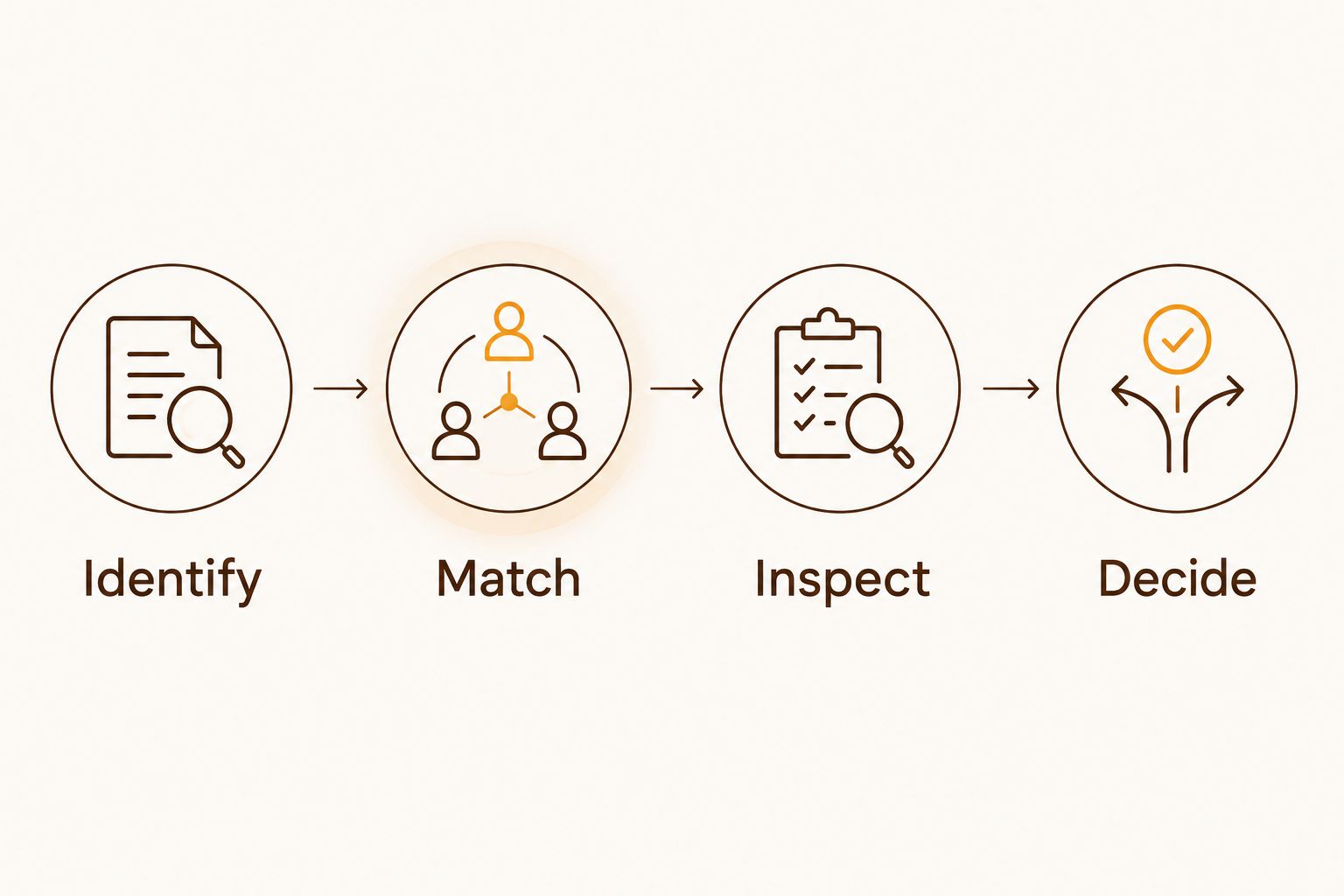
HobbyAlpha’s sports card verdicts and portfolio tracking can support that workflow across NFL, NBA, MLB, and NHL cards. Keep the underlying evidence separate from the recommendation: a verdict summarizes a decision, while the card’s identity and condition determine whether the evidence applies.
How the shortlist is ranked
This 2026 list ranks cards by their fit for distinct collecting goals, using exact identity, comparable-sale research, condition clarity, authentication, and collecting purpose as the criteria. It is not a return ranking or a claim of hands-on testing.
The first position is a default research starting point. The remaining positions identify different collection types, not progressively worse purchases.
Which rookie card should you choose?
Start with Ohtani’s 2018 Topps #700 if you want a modern baseball rookie to research. Choose Jordan for a basketball-history centerpiece, LeBron for a main-set LeBron collection, or Curry for a Curry-focused collection.
Football collectors should research the specified Mahomes Optic issue; hockey collectors should research McDavid’s Young Guns card. If the exact version, condition, or authenticity remains unclear, the correct decision is to wait.
FAQ
What are the best rookie cards to buy in 2026?
The shortlist starts with Shohei Ohtani’s 2018 Topps #700, followed by specific Jordan, LeBron, Curry, Mahomes, and McDavid rookies for different collecting goals. Choose the exact issue that fits your collection, then verify condition, authenticity, and matching completed sales.
What is the best rookie card for a beginner to research?
Shohei Ohtani’s 2018 Topps #700 is this guide’s default research starting point for modern baseball collectors. Begin with the base issue and keep parallel sales separate.
Should I buy raw or graded rookie cards?
Choose the format you can evaluate with appropriate evidence. Raw cards require your own condition assessment; graded cards still require certification checks and comparisons with the same grading company and grade.
Is a numbered rookie card always a better buy?
No, serial numbering alone does not establish a better purchase. You still need the exact card identity, condition evidence, and relevant completed sales.
Are asking amounts useful for rookie-card valuation?
Asking amounts show seller expectations, not completed transactions. Use matching sold comps as transaction evidence and inspect the differences between those cards and the card you are considering.
Can HobbyAlpha guarantee what my rookie card will sell for?
No, HobbyAlpha verdicts and modeled values are not guaranteed exact sale prices. Use its eBay sold comps and portfolio tracking alongside checks of the individual card.
Should I buy a rookie card because the player is trending?
No, attention alone is not sufficient buying evidence. Confirm the exact issue and inspect relevant completed sales before deciding whether the listing fits your collection.
One last thing
Put the card identity before the player’s name in your final check. Write down the set, card number, variation, and condition category before you reopen the listing. If those details do not match, you are not evaluating the card you researched.